When it comes to designing a warehouse layout that actually works, aisle width is one of the most important decisions you can make. It influences how much you can store, how safely your forklifts can operate and how efficiently your team can move throughout the building. To break down how aisle widths are determined and what businesses should be considering before locking in a layout, we spoke with Leo from Macrack. With years of hands-on experience in warehouse design, he explains how forklift choice, product type and long-term planning all come together to define the right aisle width for any warehouse.
Aisle Width Starts With Your Forklift
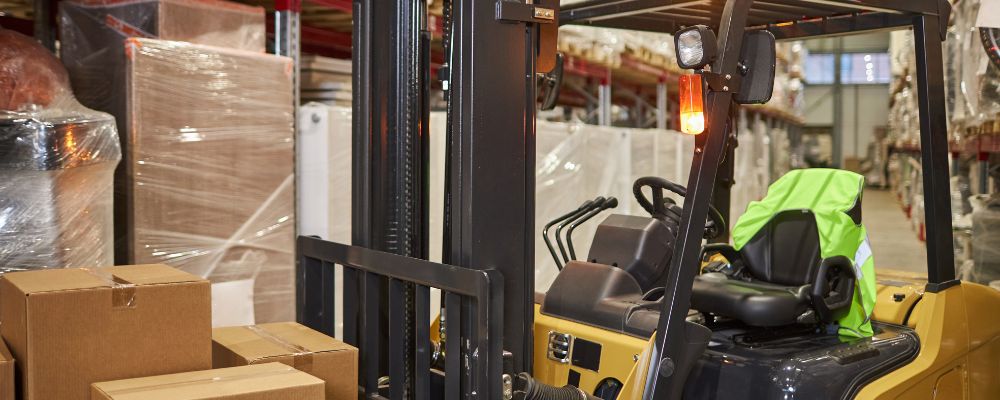
When designing a warehouse layout, aisle width isn’t an arbitrary number, it’s almost entirely determined by the type of forklift being used. Leo explains that standard gas ride-on forklifts, which make up the bulk of what most warehouses operate with, generally need aisles between four and five metres. They’re versatile, practical, and suited to most day-to-day tasks like loading trucks, turning with long product, and accessing racking easily.
High-reach forklifts, on the other hand, can operate in much tighter spaces. Because they’re electric and built with a narrower body and a different mast configuration, they can work comfortably in aisles as tight as two to three metres. This allows warehouses to go higher and compress the layout significantly, essentially fitting far more pallet positions into the same footprint.
On the smaller end, walkie stackers sit somewhere between the two. They can operate in aisle widths around the three-metre mark, stretching to two metres at an absolute pinch. They’re designed for smaller warehouses and businesses with limited volume or tighter budgets. A key advantage is that they don’t require a forklift licence, which makes them appealing to new operators or small businesses that don’t yet need a full forklift fleet.
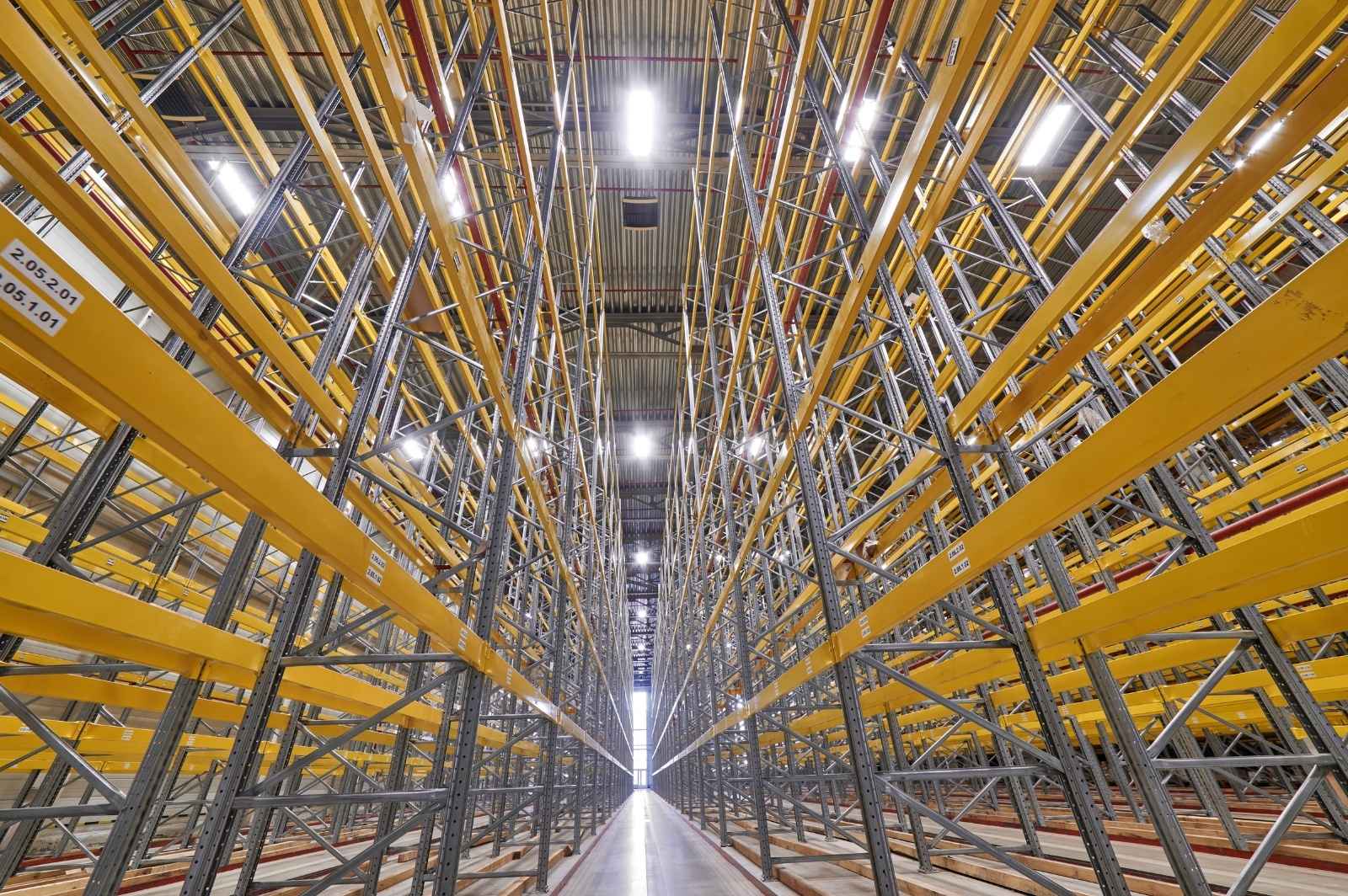
At the top of the spectrum are very narrow aisle systems using wire-guided forklifts. These setups can reduce aisle widths to about 1.8 metres. They rely on a copper wire installed in the floor that guides the forklift precisely through the aisle without drifting left or right. In these higher-end systems, the operator often rises up with the tynes, which allows far safer picking at ten metres high. It’s a specialised option suited to large, established warehouses aiming for maximum density.
Specialised Handling for Long and Unique Products
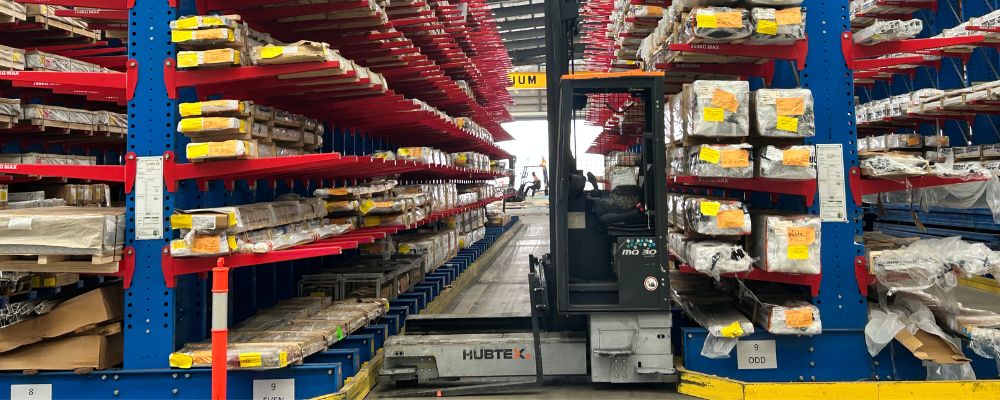
Some industries require different aisle considerations altogether. Side loaders are the standout example. They’re designed specifically for long materials like timber, steel, and aluminium extrusions. Instead of turning product through the aisle, the forklift travels parallel to the load and places it directly onto the cantilever arms. These systems typically work in aisle widths around 1.8 metres and are almost always paired with cantilever racking.
Furniture racking is another niche scenario. Here, stock pickers travel between aisles roughly 1500 mm wide. These machines operate more like moving platforms, allowing staff to move up into the racking and manually retrieve items. The aisles are protected by floor guides because stock pickers aren’t wire-guided.
Why Aisle Width Matters for Efficiency and Capacity
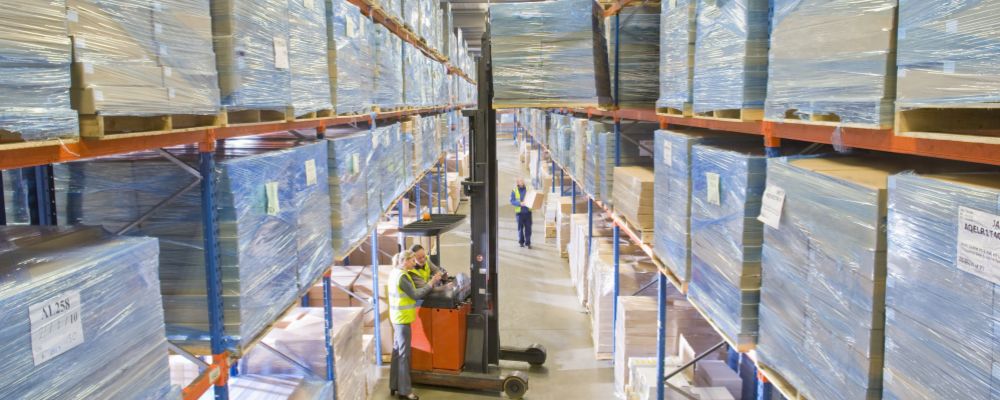
Aisle width has a direct influence on how much product you can store, how safely you can operate, and how efficiently you can move stock. When widths are too tight for the forklift in use, operators end up bumping into product, clipping uprights, or constantly performing three-point turns just to access a pallet. That slows the entire operation and increases the risk of damage.
If aisles are too wide, the opposite problem occurs. Warehouses lose valuable storage capacity, reducing racking density and leaving square metres unused. The trick is finding the balance; wide enough for safe and controlled forklift movement, but not so wide that you lose significant storage potential.
Matching the Forklift to the Layout
For businesses setting up a new warehouse or reconfiguring an existing one, the decision often comes down to what forklifts they already own and how far they’re willing to adjust. If the current fleet is fixed and still under lease, the layout usually needs to be designed around those forklifts. But when space becomes tight and there’s a few years left on the building lease, that’s when operators start looking at whether it’s time to upgrade or change the forklift type entirely.
Sometimes the smartest move is to replace the existing forklift with a high-reach or narrow-aisle machine, allowing the layout to compress or go up in racking and the warehouse to store significantly more. Leo recently worked with a company that moved two separate facilities into one. To make it possible, they redesigned the entire layout for narrow-aisle operation and replaced the entire forklift fleet. By doing this, they increased the storage footprint from around 1000 pallets to roughly 4000 in the same building, a transformation that was only possible because the aisle widths changed.
Knowing When to Change Your Forklift
Changing your forklift isn’t always about growth, sometimes it’s simply about surviving inside your existing walls. If a business is running out of room, but still has years left on a lease, upgrading to narrower-aisle equipment can buy valuable time before relocating. It’s also important when moving into a new facility. Starting with the right forklift from day one means the entire warehouse can be designed to operate efficiently without wasting space.
Keeping It Safe and Functional
Aisle width sits at the centre of warehouse design because it’s the point where storage capacity, equipment capability and staff safety all meet. When widths are right, operators can work at speed without damaging product or pallet racking. When widths are wrong, the warehouse becomes inefficient and costly to run.
Every warehouse ends up choosing between standard, narrow or very narrow aisle operations based on the products they store, their budget, the forklifts they use, and the long-term vision for the business. Getting it right from the start sets the foundation for a warehouse that doesn’t just work today, but continues to support the business as it grows.
Contact Macrack Today
Understanding aisle width isn’t just a design detail, it’s the foundation of how a warehouse operates day to day. The right widths allow forklifts to move safely and confidently, boost picking efficiency and open the door to far greater storage capacity without increasing your footprint. And as Leo highlighted throughout our interview, every warehouse has its own combination of product types, equipment and workflow that shape what those aisles should look like.
If you’re planning a new warehouse, reconfiguring an existing site or running out of room and trying to avoid relocating, the safest approach is to get tailored advice before making changes. Macrack offer free warehouse design, including full measurements, layouts and recommendations based on your forklifts, product and long-term growth plans.
If you want help choosing the right aisle widths or designing a layout that actually works, get in touch with the Leo and the team at Macrack today on 1800 048 821 or complete our online form. They can talk you through the options, show you what’s possible in your space and help you build a warehouse that’s efficient, safe and built for the future.
About Leo Kanas
Leo Kanas brings over two decades of hands-on experience in warehouse storage systems and racking design. As Project Manager and lead designer at Macrack Australia, Leo works at the intersection of engineering, layout optimisation, and customer-driven solutions. He holds qualifications in project management and industrial design, and has overseen dozens of warehouse redesigns across Australia. Leo is passionate about helping businesses unlock hidden capacity, streamline workflows, and future-proof their storage systems.
Get A Free Design And Quote
Ensure Your Warehouse Storage Solution Has A Lifetime Guarantee Contact Us Today
Add Macrack as a Preferred Source in Google
We regularly share practical advice and expert insights from the Macrack team on warehouse racking, storage, safety and warehouse efficiency relevant to the Australian market. Add Macrack as one of your preferred sources in Google to see more of our insights when you search.