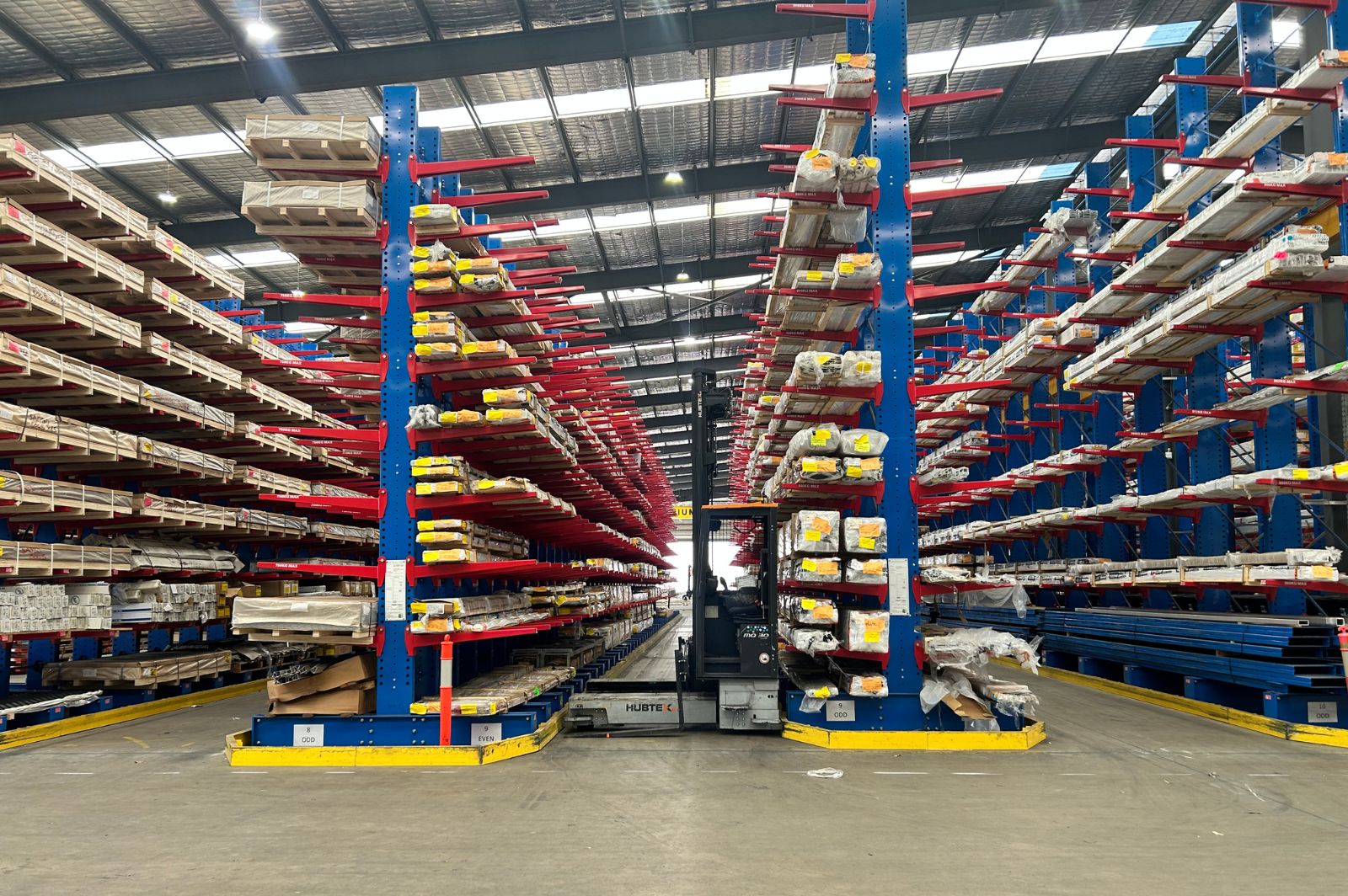
When rising warehouse costs collide with growing stock levels, many businesses start asking the same question: how can we compress our warehouse footprint without sacrificing efficiency? To unpack what really goes into tightening a layout and creating more capacity within the same four walls, we sat down with Leo from Macrack. With decades of hands-on experience designing racking systems and solving space problems for warehouses of every size, he walks through what it takes to safely compress a warehouse, where the limits are, and how to recognise when it’s no longer sustainable.
Who’s Asking the Question?

When a business starts looking for ways to compress its warehouse, it’s almost always coming from the warehouse operations manager or warehouse manager. These are the people who feel the pressure from every direction; accountants pushing for cost savings, CEOs pushing for more output, and a building that isn’t getting any bigger. At that point, the message is usually clear: we need more capacity, but we can’t take on more rent, so the warehouse has to be optimised as much as possible.
Most warehouse managers already have a solid sense of what’s possible based on what they’ve seen at other facilities or heard from industry peers. From there, they’ll often speak to their forklift leasing agent, their racking consultant and their internal logistics team to piece together a workable solution. It’s usually a collaborative process, with everyone contributing a part of the answer.
Understanding the Moving Parts of a Warehouse
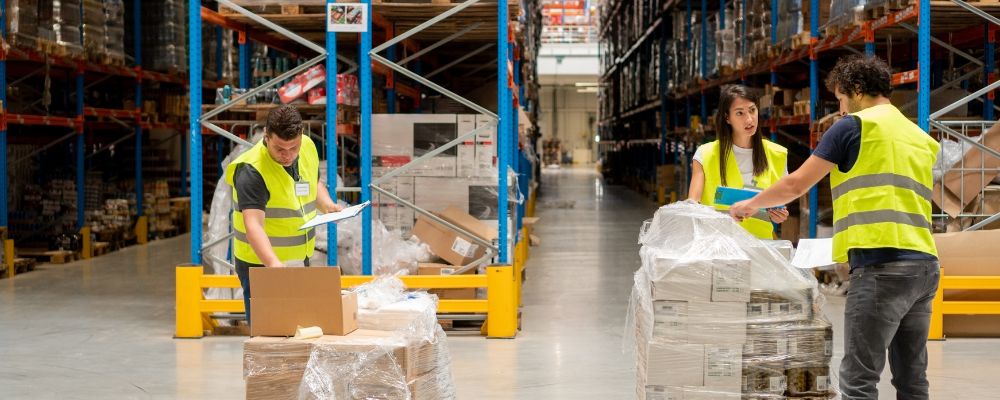
Compressing a warehouse isn’t just a matter of squeezing the aisles together. There are many interconnected elements that all need to function smoothly. The first is the flow of goods. Operators need to understand how stock arrives, how it’s packed away, how quickly it needs to be accessed, and how it eventually leaves the warehouse. If the in-bound and out-bound flow isn’t considered properly, tightening the layout will only create more blockages.
There are also building constraints that can’t be ignored. Fire exits, hose reels, lighting positions and sprinkler coverage all place limits on how close racking can be positioned and how high it can go. Going higher may unlock extra capacity, but the layout must still comply with fire codes, lighting requirements and the building’s structural allowances. At the same time, any changes need to align with the MHE the business is using, because the forklift determines how narrow the aisles can be and how high stock can be stored.
Forklift Height, Licences and Practical Considerations
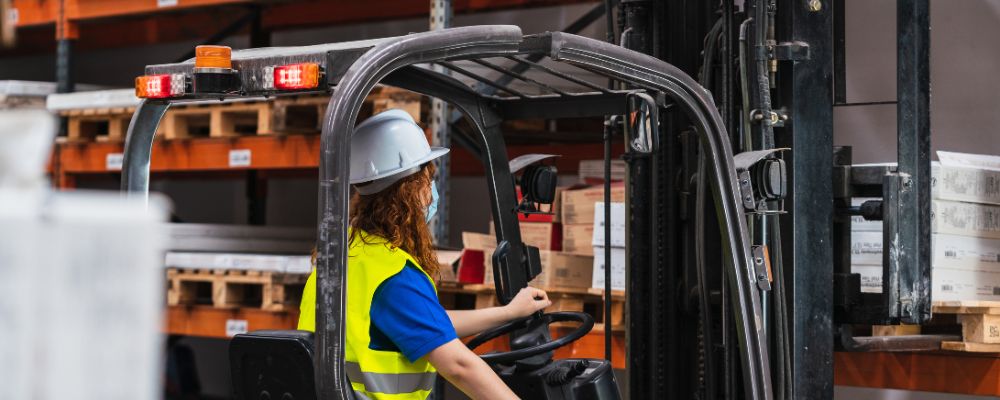
Different forklifts reach different heights, which plays a major role in how the warehouse can be compressed. Lower-budget forklifts generally max out around four to five metres. Standard warehouse forklifts reach six to seven metres, while high-reach and wire-guided units can extend well beyond that into the ten-metre range.
The licensing itself is straightforward. A standard forklift licence covers all base models, but specialised equipment, like wire-guided forklifts, requires additional training supplied by the forklift company. Often this training can be negotiated into a lease agreement, and some leasing companies will throw it in to secure the deal.
Choosing the Right Equipment for Compressed Layouts
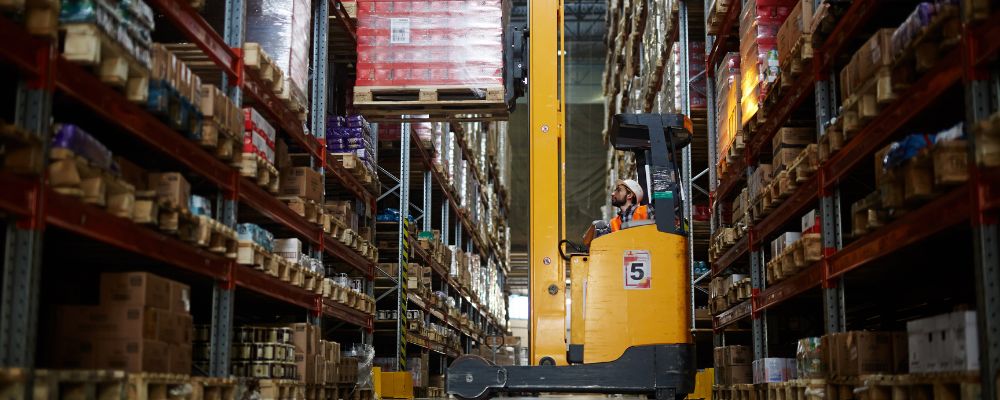
Not every forklift suits a compressed warehouse. Narrow aisle configurations allow for denser storage, but they come with limitations. For example, side loaders and wire-guided systems can’t be used to unload shipping containers, so businesses using those must have a secondary forklift on site, typically a gas ride-on, to handle containers and outdoor movements. That’s why larger operations often end up with a mix of equipment: a narrow-aisle solution for internal storage, a standard forklift for outside and container work, and even pallet jacks for quick internal transfers.
This mix becomes cost-effective once a single forklift is no longer keeping up. When one operator is overloaded, falling behind or becoming the bottleneck for everyone else, that’s when a second machine becomes necessary. In most businesses with ten to twenty staff, having two forklifts becomes standard because moving and storing stock forms such a large part of the daily workflow.
When Compressing Isn’t Enough
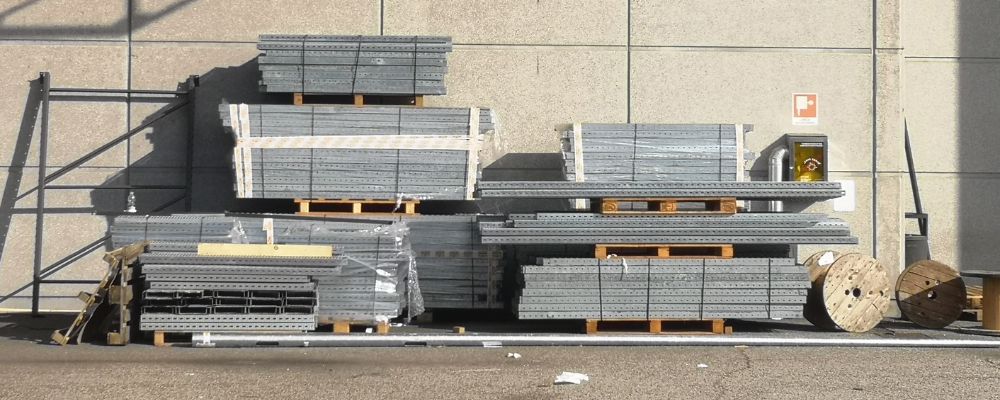
There comes a point where compressing the warehouse still won’t solve the underlying issue. Leo says most businesses reach this stage at the end of their lease term, as this is when they reassess growth and look ahead to the next three to five years. Some companies arrive at this point after several years of trying to squeeze every last pallet into the building. They’ve raised the racking, tightened the aisles and tried every trick to increase capacity, but eventually the space just can’t keep up.
The clearest sign that a warehouse has reached its limit is when stock starts spilling into outdoor spaces. If pallets are sitting in the car park, exposed to weather or theft, it means the internal footprint is no longer enough to support operations. That is the absolute indicator that the facility has been outgrown.
The Warning Signs Before That Breaking Point
Even before pallets move outside, there are earlier signs that relocation should be on the radar. Double-handling and triple-handling are major red flags. When staff are constantly moving one pallet to reach another, or reshuffling stock just to get through day-to-day tasks, it shows the warehouse has exceeded its workable capacity. Many operators don’t realise this is happening until it becomes part of their routine, but Leo considers it the “death rattle” of an overworked warehouse.
The progression is usually the same: first, stock begins living on the floor; then the aisles become slow and congested; then pallets are moved repeatedly just to access what’s behind them; and finally, goods are stored outside. Once it reaches that stage, there’s no more compression left to gain, relocation becomes the only viable next step.
Planning the Steps Before Relocating
Before a business commits to moving, Leo encourages them to exhaust the internal options first. That means assessing whether the warehouse can support more height, whether the aisles can be safely narrowed, and whether more efficient MHE could unlock additional capacity. Once those areas are fully maximised and the daily workflow still breaks down under the load, that’s when relocation needs to be seriously considered.
Compressing warehouse space is always a balance between layout, safety, forklifts and operational flow. When done correctly, it can delay relocation for years. But when those internal adjustments no longer make a difference, moving into a larger facility becomes the only path forward.
Contact Macrack Today
Compressing a warehouse isn’t about forcing more racking into the building, it’s about finding the point where layout, forklift capability and workflow all work together without slowing the operation down. As Leo explains, a carefully compressed layout can buy a business years of extra capacity, reduce handling time and delay the need for a costly relocation. But once pallets start living on the floor, aisles become congested or stock spills outside, if there’s no space to go up that’s the “death rattle” sign the warehouse has reached its natural limit.
If you’re trying to increase capacity, rework your internal layout or simply understand how far your warehouse can be pushed before relocation becomes unavoidable, it’s worth getting expert eyes on the space. To discuss the best options for your warehouse, get in touch with Leo and the team at Macrack today on 1800 048 821 or complete our online form.
About Leo Kanas
Leo Kanas brings over two decades of hands-on experience in warehouse storage systems and racking design. As Project Manager and lead designer at Macrack Australia, Leo works at the intersection of engineering, layout optimisation, and customer-driven solutions. He holds qualifications in project management and industrial design, and has overseen dozens of warehouse redesigns across Australia. Leo is passionate about helping businesses unlock hidden capacity, streamline workflows, and future-proof their storage systems.
Get A Free Design And Quote
Ensure Your Warehouse Storage Solution Has A Lifetime Guarantee Contact Us Today
Add Macrack as a Preferred Source in Google
We regularly share practical advice and expert insights from the Macrack team on warehouse racking, storage, safety and warehouse efficiency relevant to the Australian market. Add Macrack as one of your preferred sources in Google to see more of our insights when you search.