The Pressure of Rising Commercial Rents
As commercial rents continue to rise and competition for industrial space intensifies, many warehouse operators are being pushed into a difficult decision: keep trying to squeeze more out of the building they already have, or relocate to something bigger. To understand how businesses can make that choice confidently, we spoke with Leo Kanas from Macrack, who sees these situations unfold every day. With decades of experience designing storage systems and walking clients through warehouse bottlenecks, he has a clear view of what actually drives a move, what the warning signs look like, and how companies can plan long before a lease forces their hand.
Commercial lease costs have climbed dramatically over the past decade. Industrial property now gives owners a much better return than residential, which means modern warehouses are harder to secure and far more expensive than they once were. That shift has changed the way many businesses think about space. Some operators continually compress their layout and accept the inefficiencies to avoid taking on a higher lease. Others take the opposite approach, recognising that a larger, more expensive building can actually reduce double handling, improve workflow and allow the business to grow without constant compromises. Eventually, the four walls of a warehouse can start to feel like they’re closing in, and once a business reaches that point, the cost of inefficiency becomes greater than the cost of rent.
How to Recognise When a Warehouse Has Reached Its Limit
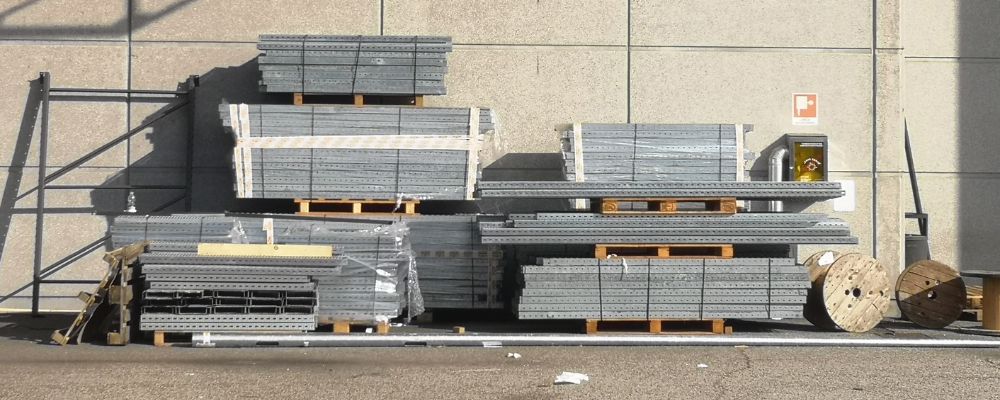
Before warehouse relocation becomes a serious conversation, there are always the “death rattle” telltale signs that a warehouse has reached its limits. Double-handling becomes part of everyday workflow, pallets start living on the floor because there’s simply nowhere else to put them, and staff spend more time working around stock than moving it. In the most extreme cases, product spills into car parks or outside areas, exposing stock to theft and weather simply because the warehouse has no capacity left. Leo says this is usually the moment when the reality hits. Once goods are stored outside, the building is no longer supporting the demands of the business, and continuing in that space becomes both inefficient and risky.
Before Relocating, Look Up Not Out

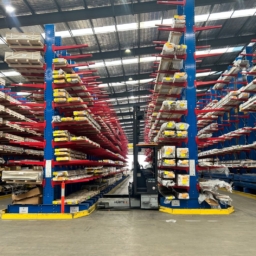
However, relocation is not always the first or most practical step. Before businesses consider moving, Leo always looks at what vertical space is still available. Many operators underestimate how much capacity they already have above them. If the roof height is sufficient and the forklifts can support it, pallet racking can often be extended upwards or reconfigured to add more levels. Uprights can be extended, aisles can sometimes be tightened, and the layout can be reorganised to unlock more capacity without changing premises. Often the simplest solution is to fully utilise the airspace that is already being paid for in rent.
When Efficiency and Growth Push You Toward Relocation
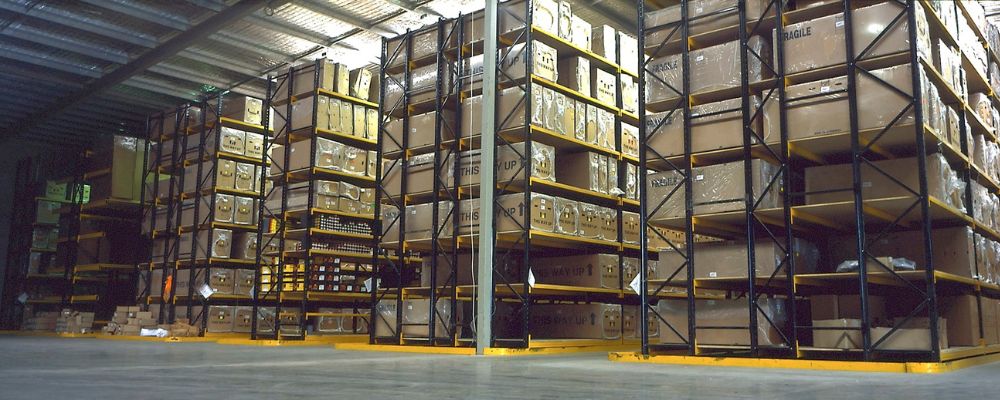
Eventually, though, a point arrives where a warehouse cannot give any more. That’s when discussions naturally shift towards relocation. This usually happens shortly before the end of a lease, when the business assesses how it has grown over the last few years and whether the current building can support the next three, five or ten years of operations. If the business has expanded quickly, or if the rate of growth is expected to continue, staying in the same footprint becomes a handbrake. Even businesses that have done everything possible; gone higher, compressed aisles and reorganised their workflow recognise that the building itself is now the limitation.
Forecasting the Space You’ll Need in a New Facility
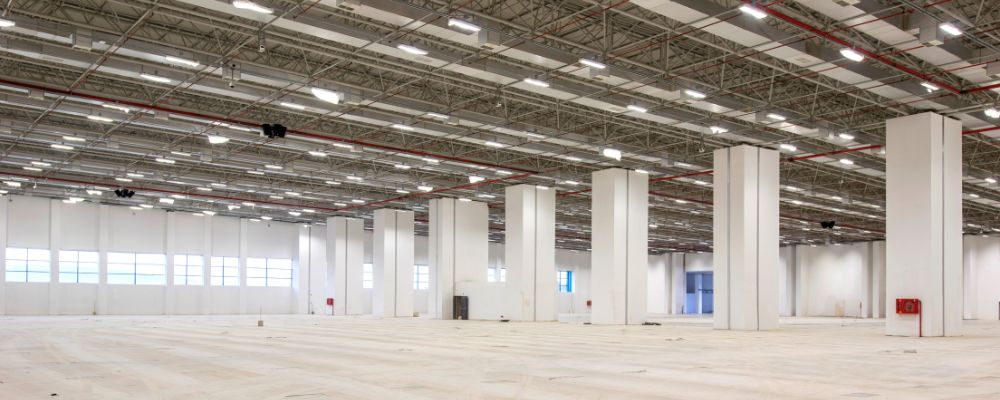
When a business commits to relocating, the next challenge is determining how much space it will actually need. Leo says most companies start by planning for their current storage footprint, then add additional capacity based on how fast they expect to grow. Storage usually increases by around twenty per cent beyond what they currently require, but the production or manufacturing areas often need even more than that. Production is nearly always the choke point, not the storage. Expanded production space gives the business a chance to operate more freely and support future output, while the racking and storage system can be added to gradually as needed.
Why Ceiling Height Can Outweigh Floor Area
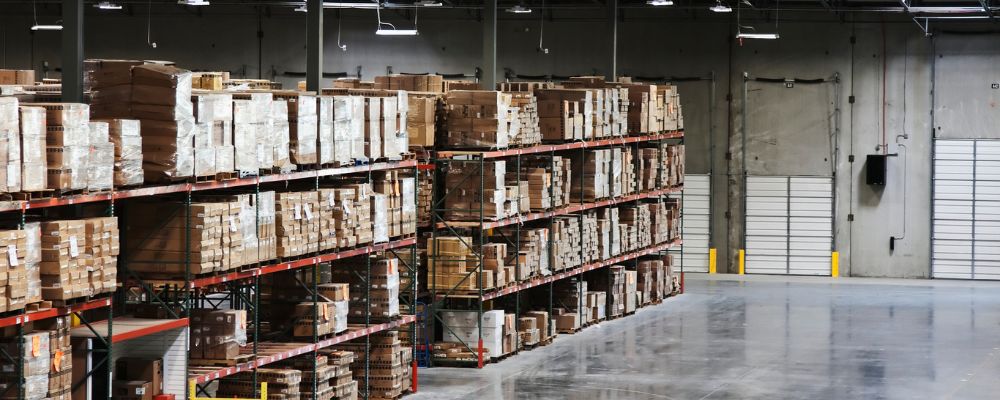
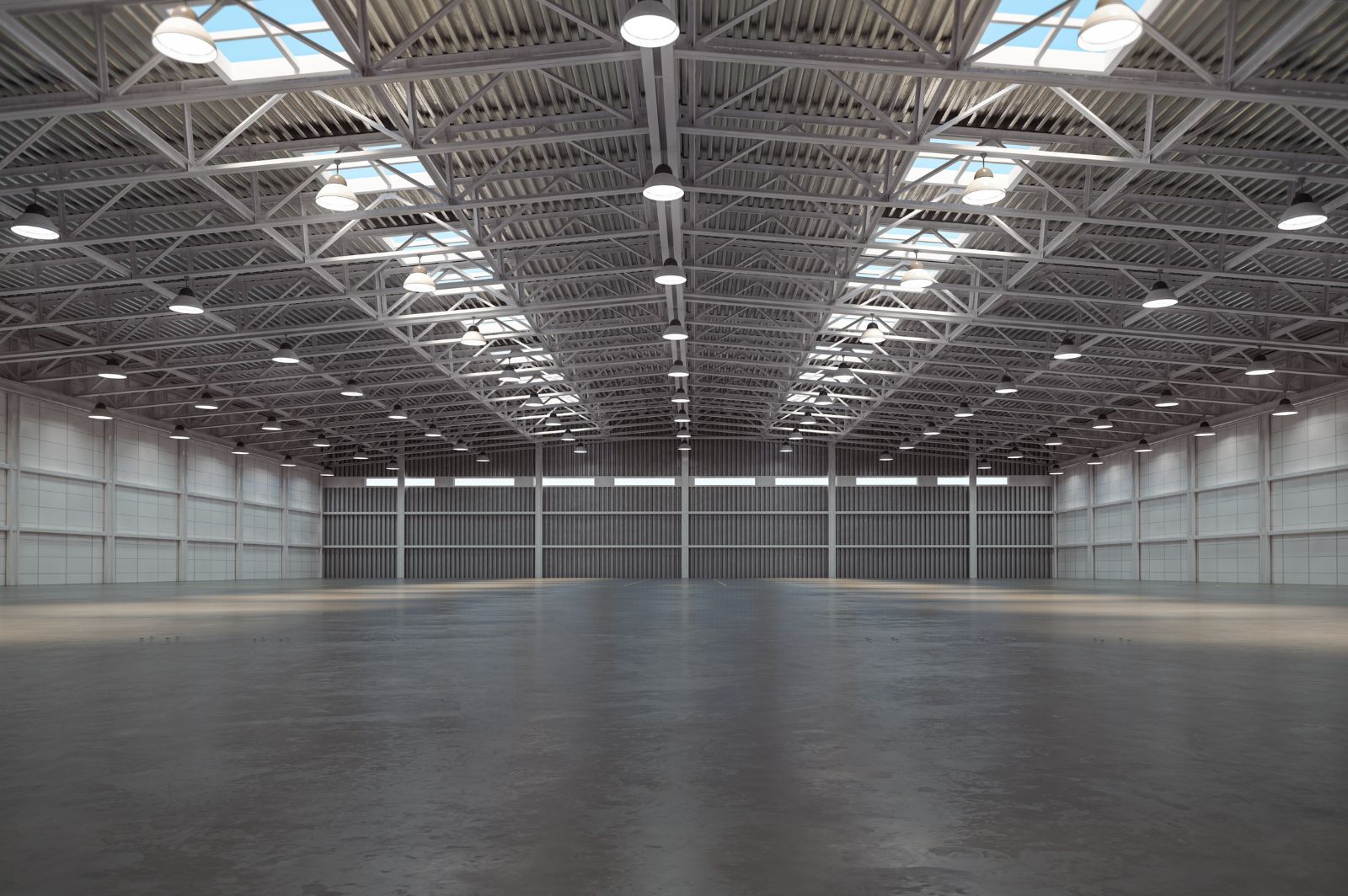
A critical factor in choosing a new warehouse is ceiling height. Many people focus on floor area first, but in practice, the height of the building often matters far more for storage. Higher-roof facilities usually command a higher rent per square metre, and for good reason. A warehouse with an eight-metre roof can often store the same number of pallets as a much larger building with a five-metre roof. That means the seemingly more expensive option may actually be the more cost-effective one once you calculate the total number of pallets that can be stored safely and efficiently. Leo regularly sees cases where the smaller, taller warehouse outperforms the larger, low-roofed one simply because the vertical real estate is so valuable.
The Importance of Planning for Long-Term Growth

Across all of this, the biggest lesson Leo highlights is that warehouses must be planned with a long-term mindset. Whether you stay in your existing premises or move into a new one, the layout, racking and material handling equipment should be designed as a single cohesive system that supports future growth. Racking is not a short-term expense that gets left behind; it’s an asset that can be extended, relocated and reconfigured for decades. Businesses that think ahead; using height, planning for expansion, and choosing forklifts and layouts that match where they want to be in five or ten years, always end up in a stronger position than those who simply try to make do.
Key Takeaways
| Option | When it makes sense | What to do | Red flags you’ve outgrown the site |
|---|---|---|---|
| Maximise your current space | You still have usable height, and the main issue is storage density and layout efficiency | Go higher with racking, reconfigure layout, tighten aisles where practical, improve labelling/flow, reduce double handling | Pallets regularly end up on the floor, double handling is “normal”, picking paths are constantly blocked |
| Relocate to a bigger / better building | You’ve already pushed racking and layout as far as you can, and the building is now the limitation | Plan for growth (often ~20% extra storage), allow more production/working space, and prioritise ceiling height | Stock is spilling outside (car parks/outside areas), production space is the choke point, workflow compromises never stop |
- Rising industrial rents are forcing a real trade-off. Keep compressing the current site and accept inefficiencies, or pay more for a bigger or better facility that improves workflow and supports growth.
- There are clear “we’re at capacity” warning signs. Daily double-handling, pallets living on the floor, staff working around stock, and in the worst case, stock spilling into car parks or outside where it is exposed to theft and weather.
- Before relocating, exhaust vertical space. Many warehouses still have unused airspace. If roof height and forklifts allow it, racking can often go higher, aisles can sometimes be tightened, and layouts reworked to unlock capacity without moving.
- Relocation becomes logical when the building is the constraint. Once you have already gone higher, compressed, and reorganised, continued growth turns the current footprint into a handbrake, especially as the lease end approaches and you are planning the next 3 to 10 years.
- Plan the new warehouse around growth, not just today. A common approach is to design for the current footprint, then add capacity for expected growth, often around 20% extra storage, while recognising production or manufacturing space is usually the real choke point and may need more headroom than storage.
- Ceiling height can beat floor area. A smaller warehouse with an 8 metre roof can sometimes outperform a larger warehouse with a 5 metre roof for pallet capacity.
- Think long-term and treat it as one system. Layout, racking, and material handling equipment should work together. Racking is a long-life asset that can be extended, reconfigured, and moved, so future-proofing from the start usually wins.
Contact Macrack Today
Rising commercial rents and shrinking warehouse capacity can push businesses into tough decisions, but as Leo explains, the real answer isn’t always as simple as staying or moving. The key is understanding how far your current space can be pushed, how much capacity you can unlock through smarter layout and better equipment, and when the building itself becomes the barrier to growth. Whether the solution is going higher, tightening aisles or finally stepping into a larger facility, the goal is the same; build a warehouse setup that supports the way your business operates today while giving it room to grow tomorrow.
If you’re weighing up whether to relocate, increase capacity or redesign your current layout, getting experienced advice early can save years of inefficiency. To talk through your options and understand what’s realistically possible in your space, get in touch with Leo and the team at Macrack today on 1800 048 821 or complete our online form.
About Leo Kanas
Leo Kanas brings over two decades of hands-on experience in warehouse storage systems and racking design. As Project Manager and lead designer at Macrack Australia, Leo works at the intersection of engineering, layout optimisation, and customer-driven solutions. He holds qualifications in project management and industrial design, and has overseen dozens of warehouse redesigns across Australia. Leo is passionate about helping businesses unlock hidden capacity, streamline workflows, and future-proof their storage systems.
Get A Free Design And Quote
Ensure Your Warehouse Storage Solution Has A Lifetime Guarantee Contact Us Today