
When businesses start asking how to store timber more efficiently, the answer is never just about racking; it’s about the environment, the handling equipment and the way timber moves through a site. To break it down properly, we sat down with Leo from Macrack, who has spent more than two decades designing storage systems for long products like timber, steel and extrusions. In our interview, he explained the key differences between outdoor and indoor setups, how forklift choice shapes the entire layout, and when to use cantilever, A-frame or pigeonhole racking depending on how the timber is accessed.
Understanding the Different Environments for Timber Storage
When businesses start asking how to store timber more efficiently, the answer depends heavily on where the timber is being stored and how it needs to be handled. Leo explains that the first and most important distinction is whether the timber can be stored outdoors or must remain indoors. If you have the land and the freedom to store timber outside, that will almost always give you the most flexibility. Outdoor galvanised cantilever racking, ideally with a roof structure to protect against direct weather exposure, makes the best use of open yard space and allows almost any type of forklift to be used. Larger forklifts, especially gas ride-on models or side loaders, can manoeuvre long lengths with ease, and the open environment removes many of the constraints found inside a warehouse.
Efficient Indoor Timber Storage
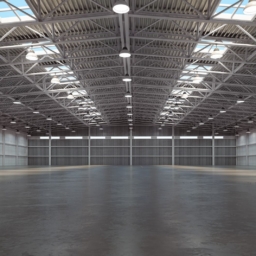
Where timber must be stored indoors, the approach changes. Indoor environments are more restricted, so Leo prefers to design layouts around the natural movement of timber. A side loader paired with cantilever racking is often the most efficient setup, because the machine can travel in a straight line through the roller doors and pick along the full length of the aisle without constantly turning. Lining both sides with cantilever racking creating one big long aisle that allows staff to pick as they go, load a truck, and return for the next one.
If that isn’t an option, and a side loader also isn’t practical, our recommendation would be a gas-powered ride-on forklift. It’s far more versatile and effective for tasks such as loading and unloading trucks. Additionally, we would organize the internal area with a cantilever rack, either single or double-sided and keep that surrounding space clear. Because when timber swings around it can be quite long, so maintaining an unobstructed area is important for safety and maneuverability.
Choosing Between Cantilever, A-Frame and Pigeonhole Racking
Cantilever Racking For Timber Storage
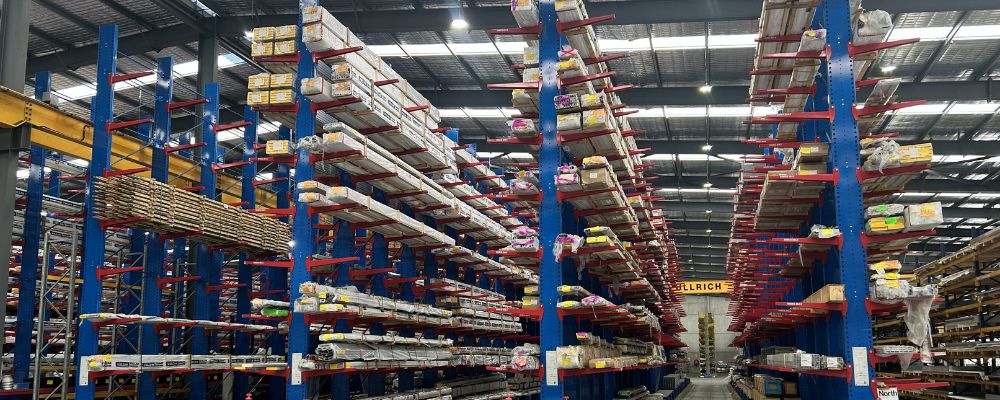
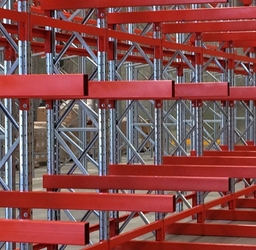
When it comes to selecting the right type of racking, the choice is driven by how the timber will be accessed. Cantilever racking is the go-to option for bulk packs. It’s designed to take the weight, support long lengths, and allow forklifts to load and unload without interference. Hand picking is possible in some cantilever configurations, but it’s not the primary purpose.
Pigeon Hole Racking For Timber Storage
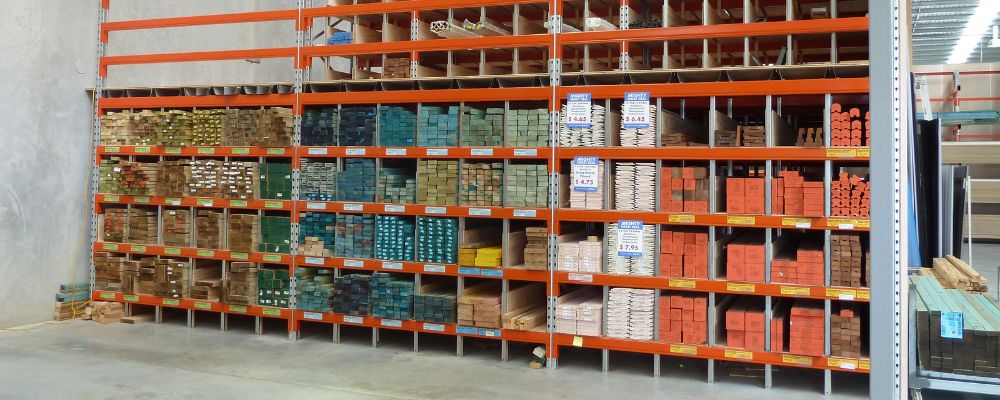
For hand picking smaller quantities, pigeonhole racking is often the best solution. This suits environments such as hardware stores, plumbing stores and any business serving the general public or tradespeople. Timber is separated by size, grade and type, giving customers or staff an organised system where they can quickly pull the lengths they need. These pigeonhole bays can be supported by raised storage areas above them, doubling the stock capacity in the same footprint, something many hardware stores use to great effect.
A-Frame Racking For Timber Storage
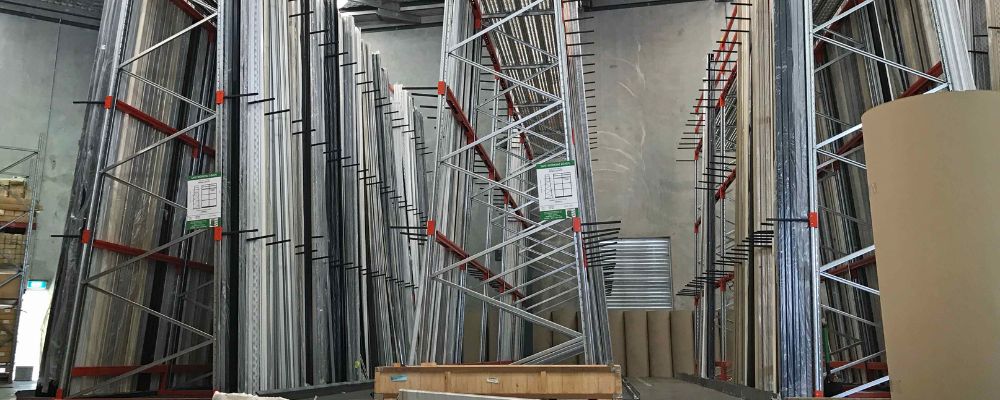
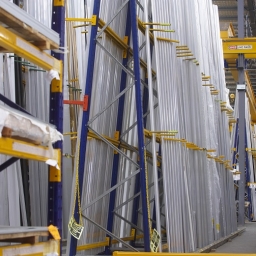
A-frame racking fills another niche. It’s ideal for internal production environments where space is tight and workers need quick access to individual lengths. Rather than dealing with full packs, staff can pick piece by piece straight off the A-frame and move it directly onto a cutting station, saw or fabrication area. It keeps the floor clean, the stock accessible and the workflow efficient.
Combining Systems for Better Workflow
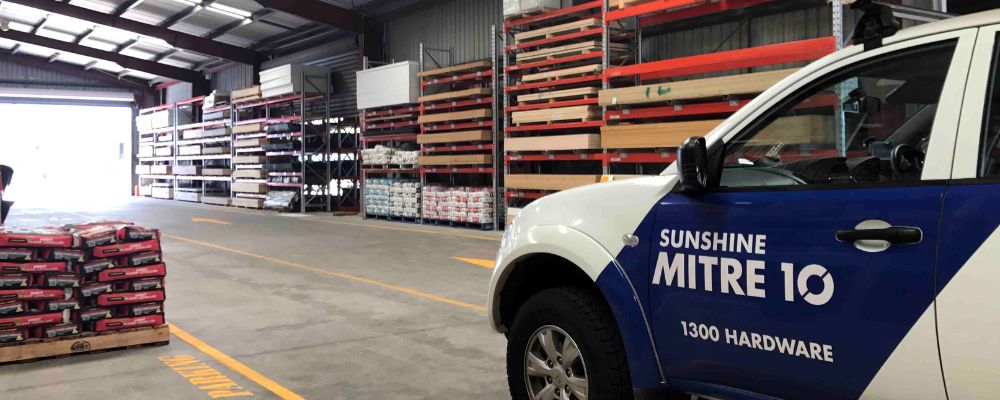
There are also hybrid configurations that suit specific industries. For example, some warehouses use the selective racking frame and have sheet racking on the lower levels, while above that they run vertical storage with dividers for long extrusions. This layout is common in timber yards and hardware stores, but it also appears in electrical wholesalers and window and door fabrication workshops. In these businesses, long materials such as conduit, aluminium extrusions or timber lengths sit in the vertical sections, while the accessories, fixings or smaller components sit directly below on industrial shelves. It keeps all related items together so staff can pick everything they need from one spot.
Matching the System to the Business
Ultimately, efficient timber storage comes down to understanding how the timber is used, who is accessing it and how often it moves. Outdoor yards favour cantilever racking with larger forklifts. Indoor production areas work best with A-frames and cantilever combinations. Retail environments and trade counters rely on clear, well-organised pigeonholes and vertical storage to help customers pick what they need quickly.
Leo’s approach is always the same: understand the flow of stock, match the racking to the handling equipment, and design the layout so the movement of timber is as smooth and intuitive as possible. When the right system is chosen for the right purpose, timber becomes easier to manage, safer to store and far more efficient to pick.
Quick Points
| Storage setup | Best for | Recommended racking | Typical handling / access |
|---|---|---|---|
| Outdoor yard | Sites with land and flexibility to store timber outside | Galvanised cantilever racking (ideally with a roof structure) | Forklift-friendly; larger forklifts (gas ride-on) and side loaders work well |
| Indoor bulk storage | Warehouses storing packs/long lengths indoors | Cantilever racking (single or double-sided) | Best with a side loader for straight-line travel; otherwise a gas ride-on forklift and clear swing space |
| Retail / trade counter | Hand-picking smaller quantities (hardware/plumbing/trade supply) | Pigeonhole racking (often with raised storage above) and A-frame racking | Fast piece-pick access, organised by size/grade/type |
| Internal production area | Workshops where staff pick single lengths for cutting/fabrication | A-frame racking (often paired with cantilever nearby) | Quick access to individual lengths and direct feed to saws/cutting stations |
| Hybrid “all-in-one” picking zone | Timber yards, wholesalers, fabrication (long lengths + accessories together) | Mixed system: sheet/industrial shelving below + vertical/divided storage above | Pick long materials and related components from one location |
- It’s not just about racking. Efficient timber storage comes down to the environment, the handling equipment, and how timber moves through the site.
- First decision is outdoor vs indoor. If you can store timber outdoors, you usually get the most flexibility. Galvanised cantilever in the yard, ideally with a roof, uses space well and suits a wider range of forklifts.
- Outdoor setups suit bigger forklifts. Gas ride-on forklifts and side loaders handle long lengths well in open yard space because there are often fewer turning constraints.
- Indoor storage should match timber flow. Indoors is tighter, so layouts should be designed around how timber enters, travels, and gets picked.
- Side loader plus cantilever is often the most space efficient indoors. A long straight aisle lined with cantilever lets the machine travel straight through roller doors and pick along the aisle without constant turning.
- If no side loader, a gas ride-on forklift is a strong option. It is versatile for loading and unloading, but you need clear space around cantilever because timber swings wide.
- Choose racking based on how timber is accessed:
- Cantilever is best for bulk packs and forklift loading.
- Pigeonhole suits hand-picking smaller quantities, common in hardware and trade-facing sites. It can be paired with raised storage above to increase capacity in the same footprint.
- A-frame is ideal for production areas where staff pick piece by piece and feed straight into cutting or fabrication.
- Hybrid systems can improve picking. Some sites combine lower-level sheet storage with vertical divider storage above for long lengths, keeping related accessories and components directly below.
- Overall rule. Understand how the timber is used and how often it moves, then match the racking to the equipment and design the layout so movement is smooth, safe, and intuitive.
Contact Macrack Today
Efficient timber storage isn’t about choosing one type of racking over another; it’s about matching the system to the way your business actually handles material. Whether it’s bulk packs in an outdoor yard, hand-picked stock in a retail environment or rapid-fire production work inside a workshop, the right setup will always come back to the workflow, the handling equipment and the space available. As Leo explained, when those elements are aligned, timber becomes easier to store, safer to move and far more efficient to work with day to day. Macrack offer a free warehouse layout and design service to assist their clients in finding the right solution for their business.
If you’re setting up a new yard, redesigning an indoor timber area or simply trying to get more out of the space you’ve already got, expert advice makes all the difference. To talk through the best approach for your site, get in touch with Leo and the team at Macrack today on 1800 048 821 or complete our online form.
About Leo Kanas
Leo Kanas brings over two decades of hands-on experience in warehouse storage systems and racking design. As Project Manager and lead designer at Macrack Australia, Leo works at the intersection of engineering, layout optimisation, and customer-driven solutions. He holds qualifications in project management and industrial design, and has overseen dozens of warehouse redesigns across Australia. Leo is passionate about helping businesses unlock hidden capacity, streamline workflows, and future-proof their storage systems.
Get A Free Design And Quote
Ensure Your Warehouse Storage Solution Has A Lifetime Guarantee Contact Us Today
Add Macrack as a Preferred Source in Google
We regularly share practical advice and expert insights from the Macrack team on warehouse racking, storage, safety and warehouse efficiency relevant to the Australian market. Add Macrack as one of your preferred sources in Google to see more of our insights when you search.