When businesses start running out of space, it’s easy to assume relocation is the only option, but often, there’s far more room to move than you think. We sat down with Leo Kanas from Macrack, who has over 20 years of experience helping warehouse managers optimise their layouts, to talk about what to do when your warehouse feels full and how to future-proof your storage capacity.
How Much Space Do You Actually Need?
When a customer tells me they’re running out of warehouse space, the first thing I ask is, “How much space do you actually need?” It sounds simple, but that question changes the way we approach the problem. Most people come to us and say, “Here’s my issue, fix it.” But the right starting point is to look at where the business wants to be, not just now, but in five or ten years, and then design a solution that gets them there.
Start with Measuring, Not Moving

The first step is always to measure up and see what’s really possible within the space. A lot of the time, businesses think relocation is the only answer when they’re at capacity, but that’s rarely the case. Moving warehouses is expensive and brings a lot of logistical headaches. In most cases, we can redesign their layout or upgrade their racking to unlock space they didn’t realise they had.
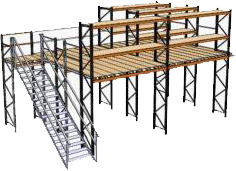
When we walk into a warehouse, we’re looking for how well the vertical space is being used. Many companies only build their racking to two or three levels high, even though their roof space might allow for four, five or more. If the structure and equipment allow, increasing racking height can almost double storage capacity without expanding the footprint.
Going Higher What You Need to Know

The main factors that limit how high you can go are your roof height and your material handling equipment (MHE). If your current forklift only reaches 4.8 metres (which is the case for about 70% of warehouses we visit) you might just need to change your forklift rental agreement to one with a higher reach. The racking itself can go higher without losing its load rating. There’s a common misconception that heavier pallets need to sit lower, but the load capacity stays consistent all the way up.
If your existing uprights are too short, they can be extended using a splice kit, essentially an engineered connector that lets us safely add height and bracing to your existing frames. In many cases, it’s more cost-effective than replacing the whole system.
How Audits Reveal Hidden Capacity

Our racking auditing and inspection team plays a big part in helping customers reclaim lost space. While their primary job is to check for damage and compliance, they also look for ways to make the space work harder. They’ll often flag areas with unused floor stock or empty corners where an additional run of racking could fit. Sometimes they’ll notice that a few small changes, like rearranging bays or increasing height, can make a big difference.
These annual racking inspections are more than just a safety requirement; they’re an opportunity to reassess your layout as your business changes. It’s common for our inspection team to come back with suggestions that add capacity or improve workflow efficiency.
Combining Systems for Better Density
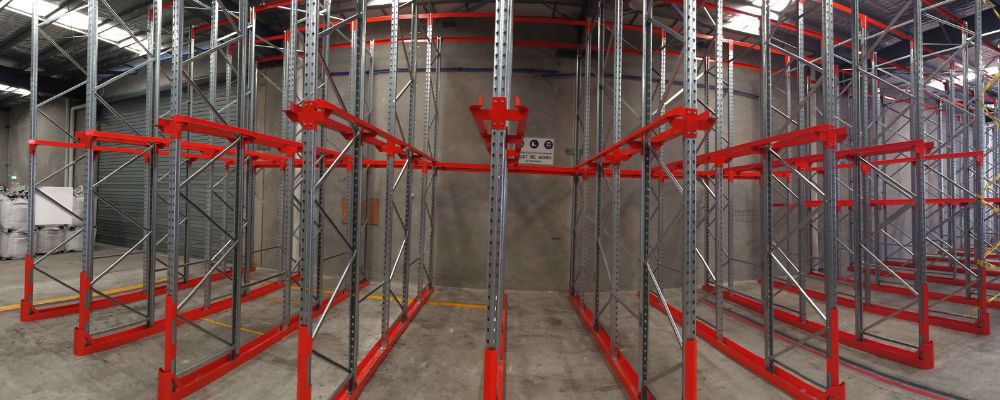
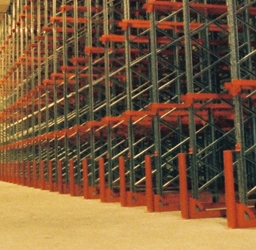
Another way to gain space without moving is to introduce high-density racking systems. A lot of warehouses start with standard selective pallet racking, which offers easy access but uses more aisle space. When storage pressure increases, we can often transition them to systems like double-deep, drive-in, push-back, pallet flow racking and stackable stillages.
This is especially common in cold storage facilities, where every cubic metre counts. Cold rooms are expensive to run, so maximising storage density is key. We’ll often see them move from selective racking to double-deep, and then again to drive-in systems to increase storage per square metre. For time-sensitive goods, pallet flow (FIFO) systems can maintain accessibility while still improving capacity.
Future-Proofing from Day One
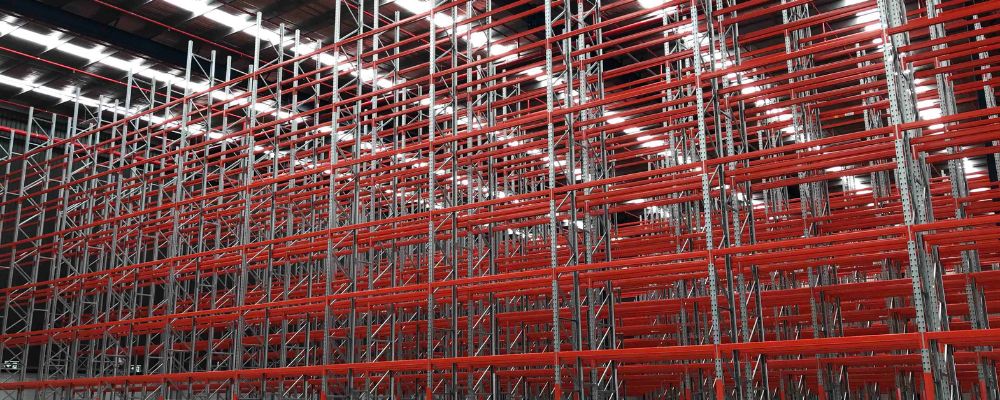
Whether you’re upgrading or moving into a new space, the best advice is to think long-term. Don’t just look at what you need today. Think about your maximum number of pallets, your average number, and how fast stock is turning over. Will your workflow change? Will your product range grow? Will you need more picking or production areas?
When we design a system, we look at the warehouse as one cohesive unit, the business, the building, the racking, the forklifts, the people, and the flow of goods. Each element affects the others. Future-proofing might mean leaving space to expand upward later, using universal racking components that can be reconfigured, or allowing for higher-capacity forklifts in the future.
Planning for the next five to ten years means you won’t find yourself boxed in or paying for unnecessary relocations. It’s all about designing a system that grows with you.
Book A Free Warehouse Layout and Design Consultation Today
If you’re running out of space in your warehouse, relocation isn’t your only option. Leo and the team at Macrack can help you uncover hidden capacity, increase storage height, and design a system that grows with your business. Call 1800 048 821 or fill out our online form to book your free warehouse design consultation today.
About Leo Kanas
Leo Kanas brings over two decades of hands-on experience in warehouse storage systems and racking design. As Project Manager and lead designer at Macrack Australia, Leo works at the intersection of engineering, layout optimisation, and customer-driven solutions. He holds qualifications in project management and industrial design, and has overseen dozens of warehouse redesigns across Australia. Leo is passionate about helping businesses unlock hidden capacity, streamline workflows, and future-proof their storage systems.
Get A Free Design And Quote
Ensure Your Warehouse Storage Solution Has A Lifetime Guarantee Contact Us Today