Answer: You can do your own checks in house, and you should, but the formal annual inspection should still be done by a competent third party. That is the simplest way to look at it.
–
When it comes to warehouse racking inspections, a lot of businesses want to know where the line is between what they can check themselves and what needs to be handled professionally. To help break that down, we spoke with Shayne Grissell, Senior Rack Inspector at Macrack. Shayne has been with Macrack since 2005 and brings 21 years of hands-on experience across racking inspections, damage assessment, repairs, and compliance. In this interview, he explains what businesses can look for in house, where a competent third party comes in, and why both play a role in keeping warehouse racking safe and up to standard.
Can you do your own racking inspection?
Yeah, you can do your own checks in house, but for the 12 monthly, it has to be done by a competent third party. That is the main difference. Internal checks are a good idea and we always advise people to do them, but the formal annual inspection should be done by someone who actually knows what they are looking for.
So businesses should still be checking their racking themselves?
Definitely. We always advise people to do a monthly inspection in house as well. If they see something, they can get in touch with us. It might be damage, it might be a missing pin, it might be something that just does not look right. It is better to pick that up early than leave it until it becomes a bigger problem.
Why is an in-house check not enough on its own?
Because the yearly one is meant to be done by a competent third party. That is part of the requirement. I do not think WorkSafe is going to turn around and say that it is fine that you just did your own inspection. They expect someone competent, someone that has been in the racking industry for quite a while and actually knows what they are looking for.
What does a competent third party actually mean?
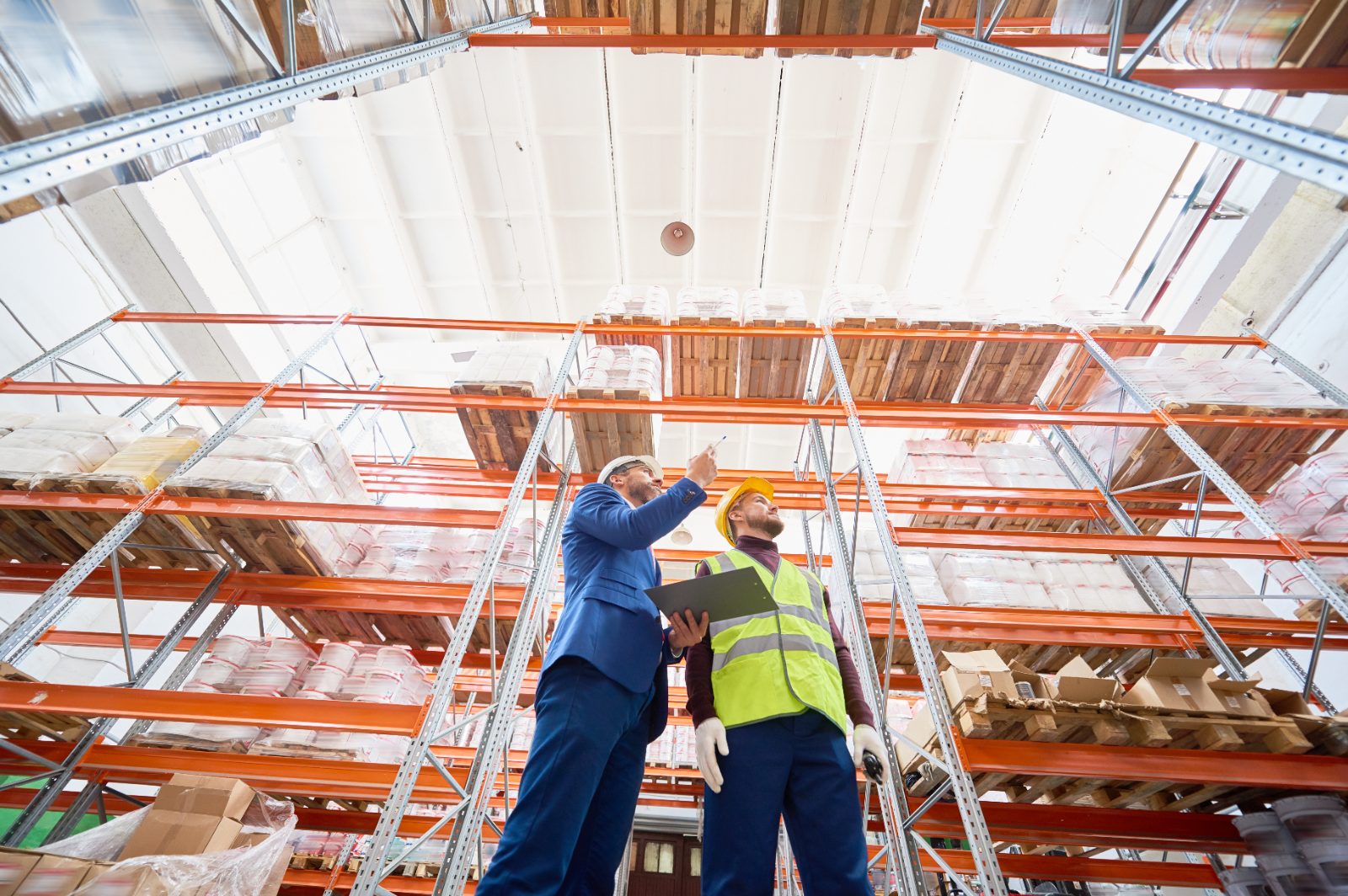
It just means someone who knows the racking product and knows what the rack is meant to be doing. If you get someone new and say go do an audit, they probably would not have a clue what they are looking at. You need to know what damage you are looking for, and you need to be able to judge whether it is critical or not. That is the hard part with this sort of thing. It can be a bit of a grey area if you do not know the product properly.
So what can warehouse staff realistically look for during their own checks?
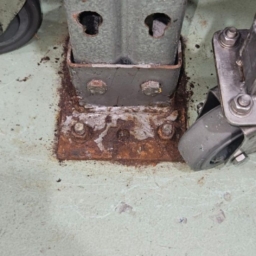
A lot of it is the obvious stuff. Damaged uprights, damaged beams, missing beam pins or locking pins, safe workload signs not being there, things like that. If something looks bent, knocked, out of place or missing, it should be flagged. The in-house check is really about keeping an eye on the rack and not just walking past damage every day.
Are safe workload signs something staff should be checking too?
Yeah, definitely. Every racking system should have a safe workload sign that has all the weight loads and limits on it, and it should also show when your next audit is due. That is a vital piece that needs to be on there. A lot of places do not even have them, and then no one actually knows what they are meant to be putting on the rack.
What if staff are not sure whether something is serious or not?
That is where the third party part comes in. If they are not sure, they should send a photo through or get someone out to have a look at it. That is much better than guessing. Some damage might be minor and just need monitoring, and some damage might be critical and need immediate action. If you do not know the difference, you really should not be making that call on your own.
Can internal staff judge whether damage is minor or critical?
Sometimes they might spot that something is obviously wrong, but properly judging whether it is green, orange or red is another thing. Red is critical and should be unloaded straight away. Orange should be fixed as soon as possible. Green is more of a monitor ongoing situation. Being able to judge that properly comes down to knowing the product and understanding what you are looking at.
So what is the best setup for a business?
The best setup is really both. Do the monthly checks in house so you are staying on top of things, and then do the proper 12 monthly inspection with a competent third party. That way if something gets picked up in between, you can deal with it early, and you are also keeping on top of the formal side of it as well.
What can happen if businesses just rely on their own checks and leave it too long?
Usually, they end up with more to fix. If you stay on top of it every 12 months, you have probably got less damage to fix each year. If you leave it for three or four years, by the time you get around to it, you could be looking at a much bigger repair job, and it starts interfering with day to day operations.
Do a lot of businesses only start thinking about inspections when someone asks for it?
Yeah, a lot of them do. We have had plenty of customers ring up because work safe has come through, seen the racks have not been audited, and told them they have to get it done. That is happening more and more. It is much easier just to stay on top of it than get caught out and have to rush it because you have been given a deadline.
Book A Warehouse Racking Inspection With Macrack Today
If you need a formal warehouse racking inspection, repairs, or help getting your system back up to standard, contact Macrack today. Our team can inspect all major brands of racking, identify damage and compliance issues, and help you stay on top of your annual inspection requirements.
Get A Free Design And Quote
Ensure Your Warehouse Storage Solution Has A Lifetime Guarantee Contact Us Today
Add Macrack as a Preferred Source in Google
We regularly share practical advice and expert insights from the Macrack team on warehouse racking, storage, safety and warehouse efficiency relevant to the Australian market. Add Macrack as one of your preferred sources in Google to see more of our insights when you search.