Seismic rating is probably the biggest thing that came out of the AS4084:2023 update.
A lot of people hear “earthquake” and think, well, we’re in Australia, so how much does that really matter? But the standard is not looking at it that way. It is looking at what happens when very tall pallet racking starts moving, even slightly, with a lot of weight sitting on it.
That is where the issue is.
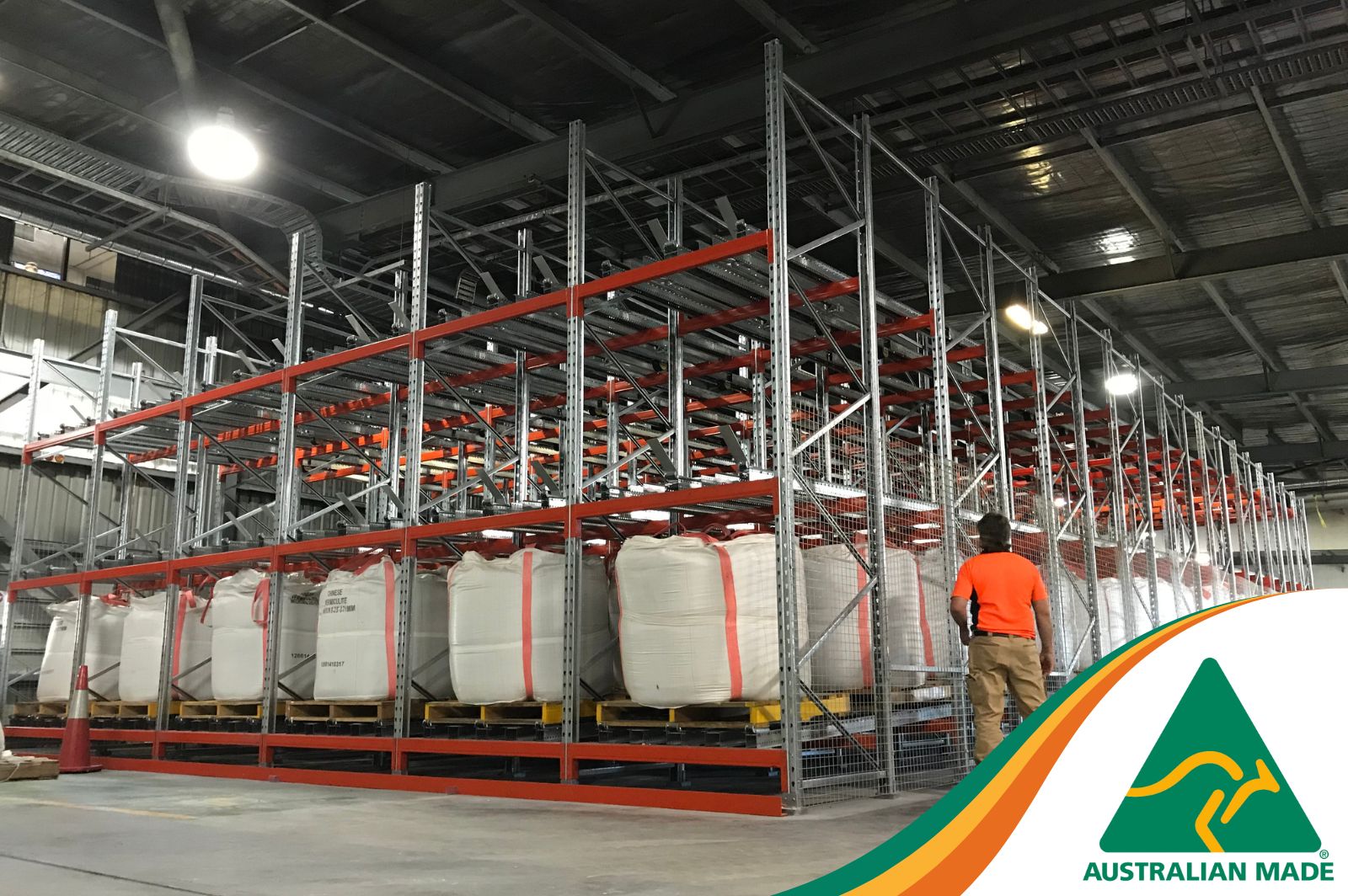
If you have a pallet up the very top of the rack that weighs one tonne, which is an ICB full of liquid, that weight does not just sit there nicely if the rack starts to move. It can sway. It can gain momentum. And when that movement is happening at height, with a lot of weight behind it, that increases the probability of the rack moving further or potentially collapsing.
That is what is now being looked at a lot more vigorously.
It Is Not Just The Rack, It Is The Whole Environment
The seismic side of the standard is not just about saying, “Yes, that rack looks strong.”
It has to take into account the Australian environment. The soil, the geolocation, the tolerance grade and the way the racking is designed all matter.
On the safety signs, you now have the tolerance grade, which is essentially the grade of the soil and the geolocation, and what effect those things may have on the racking. That all refers back to the seismic standards.
So the rack is not being looked at in isolation. It is being looked at as a full system sitting in a real warehouse, holding real weight, in a real location.
Why Racking Companies Had To Go Back To Engineering
With seismic rating being introduced properly, pallet racking companies had to go back and do further engineering.
That means looking at the design, the specifications, the foot plates, the bracing and the overall structure to make sure the system can be compliant under AS4084:2023.
For warehouse owners, this is why you cannot just assume all racking is the same. Two racks may look similar from the outside, but the engineering behind them can be very different.
That is also why working with a manufacturer that still supports its own product matters. If the racking has already been engineered strongly from the onset, the changes needed later may be much more manageable.
The simple version is this: the rack has to be designed for more than just standing still. It has to be designed for what happens when weight, height and movement all come together.
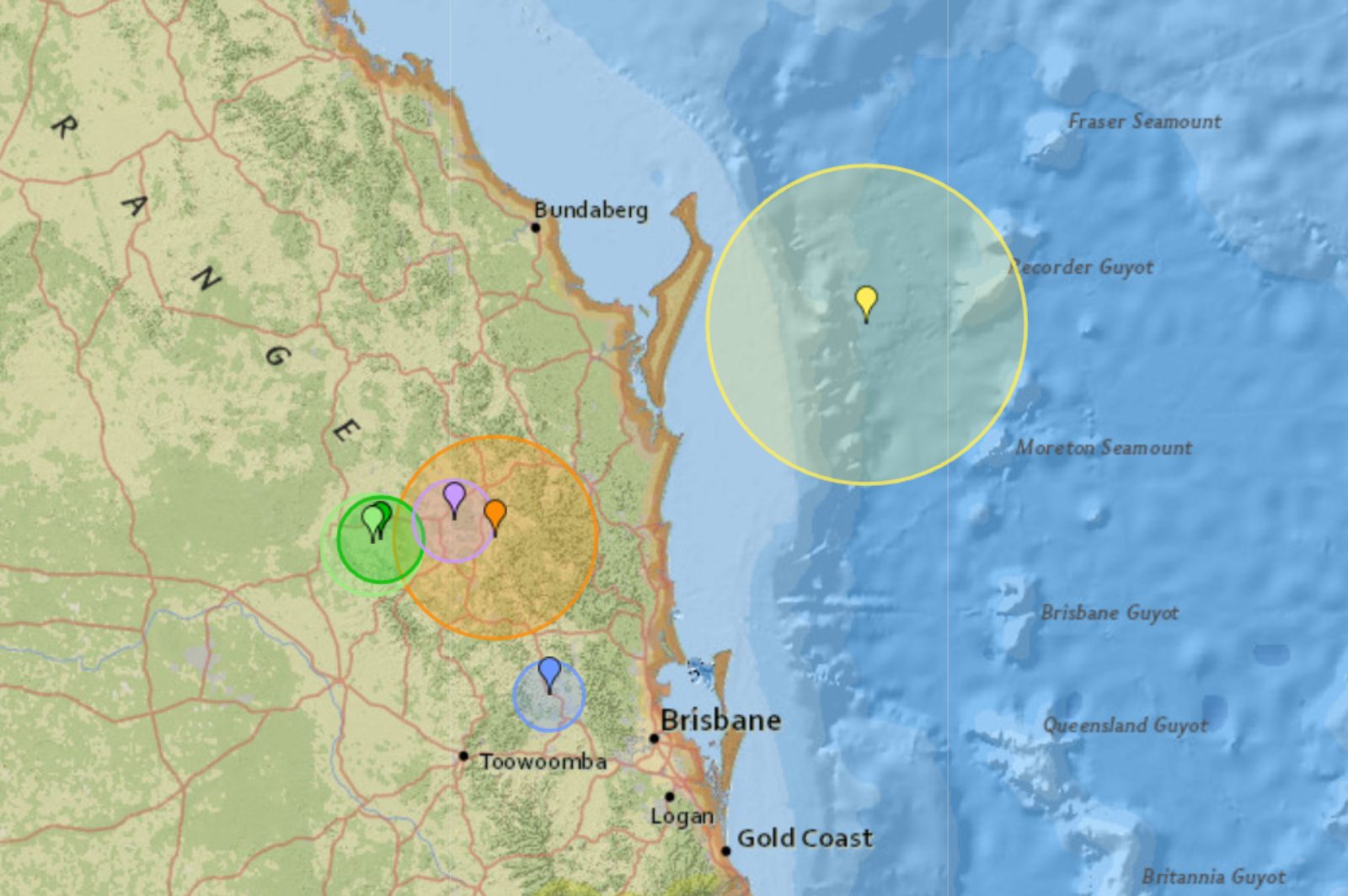
SEQ Earthquakes in Recent History
4.9 magnitude 8 months ago Wondai QLD, 5.5 magnitude 10 years ago Rainbow Beach QLD, 3.9 magnitude 18 years ago Kingaroy QLD, 3.6 magnitude 21 years ago Kingaroy QLD, 3.2 Magnitude 40 years ago Gatton QLD, 3.5 magnitude 41 years ago Wondai QLD
Source: https://earthquaketrack.com/au-04-brisbane/recent
About Leo Kanas
Leo Kanas brings over two decades of hands-on experience in warehouse storage systems and racking design. As Project Manager and lead designer at Macrack Australia, Leo works at the intersection of engineering, layout optimisation, and customer-driven solutions. He holds qualifications in project management and industrial design, and has overseen dozens of warehouse redesigns across Australia. Leo is passionate about helping businesses unlock hidden capacity, streamline workflows, and future-proof their storage systems.
Get A Free Design And Quote
Ensure Your Warehouse Storage Solution Has A Lifetime Guarantee Contact Us Today
Add Macrack as a Preferred Source in Google
We regularly share practical advice and expert insights from the Macrack team on warehouse racking, storage, safety and warehouse efficiency relevant to the Australian market. Add Macrack as one of your preferred sources in Google to see more of our insights when you search.